
如何使用热转印纸:完整指南
Heat transfer paper is a printable paper coated with a heat-activated adhesive that lets you transfer images, designs, or text onto fabrics and other surfaces using heat. In practice, you print your artwork on the transfer sheet (using the correct printer type), then apply it to the garment with an iron or heat press. The heat causes the special coating on the paper to bond your design to the fabric. This makes heat transfer paper a versatile way to customize items like t-shirts, bags, hats, aprons, etc. – essentially any fabric surface that can withstand ironing.
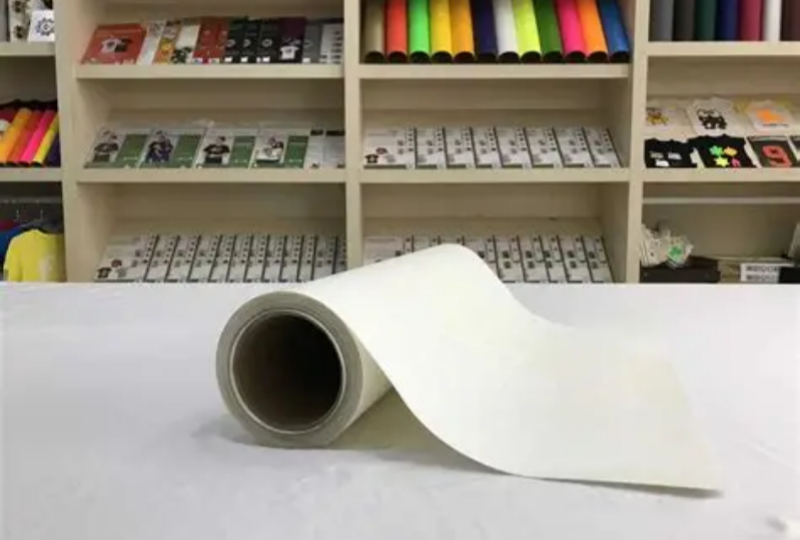
Heat transfer printing is relatively easy and affordable. It requires far less equipment than screen printing (usually just a printer and an iron or heat press). The result can be very durable: properly applied transfers are colorfast and resistant to cracking or peeling under normal wear. Heat transfer can even work on various fabrics – from cotton and polyester blends to nylon – making it a good DIY choice for both hobbyists and small businesses.
How Does Heat Transfer Paper Work?
The fundamental process behind heat transfer paper involves three essential elements: specialized paper, compatible ink, and controlled heat application. The paper is coated with unique heat-sensitive substances that react when exposed to specific temperatures. When your design is printed onto this coated surface, the ink becomes embedded in the coating rather than simply sitting on the paper’s surface.
During the transfer process, heat and pressure activate the coating, causing it to release from the paper backing and adhere to your target material. The temperature, pressure, and duration must be carefully calibrated based on the specific type of heat transfer paper and the material being printed on. For instance, light-colored transfer papers typically require around 185°C for 15 seconds, while dark transfer papers work best at approximately 165°C for 25 seconds with medium to high pressure.
The success of the transfer depends on several factors: the compatibility between paper and printer, the quality of the original design, proper temperature control, and correct application technique. Different materials also respond differently to heat transfer processes—while most textiles work well, the best results come from understanding each material’s specific requirements.
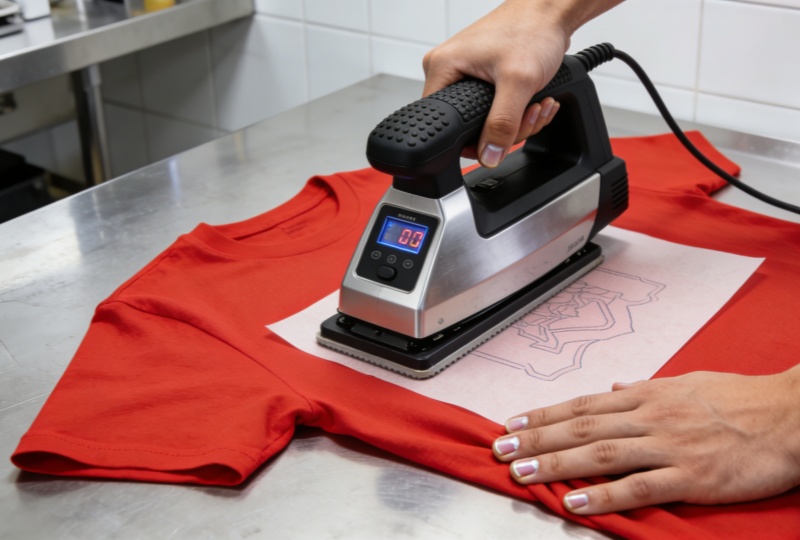
How to Use Heat Transfer Paper: Step-by-Step Instructions
Basic Process for All Transfer Types
Regardless of the specific heat transfer paper you’re using, the fundamental process follows these essential steps:
-
Prepare Your Design: Start with a high-resolution image in the appropriate file format and color mode. For some transfer types, you’ll need to mirror your design before printing.
-
Print Your Design: Load the heat transfer paper into your compatible printer, ensuring you’re printing on the correct side. Adjust printer settings according to manufacturer recommendations—often “photo quality” mode produces the best results.
-
Trim Your Design: Carefully cut around your design, leaving a small border if necessary. For opaque transfers on dark fabrics, you must remove all unprinted areas (a process called “weeding”) to avoid white spaces in your final transfer.
-
Position and Apply: Place your printed transfer onto the target material, then apply heat and pressure using a heat press, Cricut EasyPress, or household iron. The equipment choice affects your results—heat presses provide the most professional, consistent outcomes.
-
Peel and Finish: After heating, remove the backing paper using the appropriate technique—some transfers require “hot peeling” while still warm, others need “cold peeling” after complete cooling. Some types also benefit from a second “curing” heat application to improve durability.
Special Considerations for Different Materials
The process varies slightly depending on your fabric type and color:
-
Light Fabrics: Use transparent transfer paper and remember to mirror your design before printing. These typically require cold peeling after transfer.
-
Dark Fabrics: Use opaque white transfer paper with a built-in white base to keep colors vibrant against dark backgrounds. No mirroring is needed, and these usually require hot peeling.
How to Choose the Right Heat Transfer Paper: 5 Key Considerations
Selecting the appropriate heat transfer paper for your project requires careful evaluation of several factors. Use this decision framework to make informed choices:
1. What is Your Goal?
Consider your project’s purpose. Are you creating one-off custom gifts, producing merchandise for a business, or executing large-scale production? Different papers suit different scales—some are ideal for hobbyist use while others are designed for commercial durability. Also consider the expected lifespan of the finished product; some transfers withstand 60+ washes, while others may be less durable.
2. What Type of Printer Do You Have?
This is the most critical factor since heat transfer paper types are printer-specific. Using the wrong paper can damage your printer and waste materials. Check your printer specifications before purchasing paper, and remember that:
-
Inkjet printers require inkjet transfer paper
-
Laser printers require laser transfer paper
-
Sublimation printers require sublimation paper and ink
-
DTF printers require specialized DTF film and adhesive powder
3. What is Your Budget?
Different papers come at different price points. Generally, inkjet papers are most budget-friendly, laser and sublimation papers are mid-range, and DTF represents a higher initial investment (though costs have become more reasonable recently). Consider both upfront costs and long-term value—more durable transfers might justify higher initial expenses for professional applications.
4. What Kind of Design Do You Want to Print?
Evaluate your design’s complexity, color requirements, and size. Simple designs with solid colors have different requirements than photographic images with gradients. Also consider whether your design requires fine details or large solid areas, as some papers handle these elements better than others.
5. On What Material Will You Print?
The target material determines which paper will work best. Consider:
-
Fabric type: Cotton, polyester, blends, or non-textiles
-
Color: Light vs. dark backgrounds
-
Texture: Smooth vs. textured surfaces
-
Stretch requirements: How much flexibility does the material need
Types of Heat Transfer Paper
There are four main types of heat transfer media, each suited to different printers and applications:
-
Inkjet Heat Transfer Paper: Made for inkjet printers, these papers often come in versions for light or dark fabrics. They have a special coating that absorbs ink. Pros: easy to use, inexpensive, and can produce vibrant, full-color images. Cons: usually less stretchable (the print can crack on stretchy fabrics) and may leave a thin film or “halo” on dark clothing unless carefully trimmed. Inkjet transfer paper works well for DIY t-shirts and small runs on cotton and light blends.
-
Laser Heat Transfer Paper: Engineered for laser printers (which fuse toner with heat), these papers also come in light- and dark-garment versions. Pros: very durable and wash-resistant, with a softer hand feel after pressing. Laser prints tend to be less saturated than inkjet, but modern laser papers still produce bright images. Cons: more expensive and usually requires a higher temperature. The Laser Heat Transfer Warehouse notes a wide selection of Neenah and other brands for both light and dark fabric. In general, if you have a laser printer, use laser transfer paper for the best adhesion.
-
Sublimation Transfer Paper: These papers are used with dye sublimation printers and inks. The design is printed on paper, then transferred by heat onto polyester or polymer-coated surfaces. Sublimation yields very high-quality, durable prints that become part of the fabric (no peeling or cracking). Pros: Vivid, photo-quality images and excellent stretch/durability. No weeding or trimming needed since the dye is in the ink. Cons: Only works on light-colored synthetic fabrics (100% polyester or polymer-coated materials) and requires a special printer and inks.
-
DTF (Direct-to-Film) Transfer Film: This is a newer method. You print your design onto a special film (using a DTF printer and inks), coat it with adhesive powder, and cure it. Then you heat-press the film onto the garment. The result is a soft, durable transfer that works on almost any fabric (cotton, blends, even leather or metal) and both light and dark colors. Pros: Superior durability and stretch, works on all colors and materials, and produces rich, full-color prints. Cons: Requires investment in a DTF printing setup and has a learning curve. It’s more industrial than a simple inkjet transfer. Still, many see DTF as a game-changer for custom printing because of its versatility.
Understanding the different heat transfer paper options available will help you select the perfect match for your projects. Here’s a detailed comparison:
| Paper Type | 最适合 | Key Advantages | Limitations | Ideal Applications |
|---|---|---|---|---|
| Inkjet Transfer Paper | Beginners, hobbyists, low-volume projects | Affordable, widely available, works with standard inkjet printers, good color vibrancy | Limited durability on stretch fabrics, requires weeding for dark fabrics, can leave “halo” on dark materials | Custom T-shirts, one-off gifts, event merchandise |
| Laser Transfer Paper | Professionals, small businesses | Excellent durability and wash resistance, works on various fabrics, faster printing than inkjet | More expensive than inkjet, requires weeding for dark fabrics, potential for “halo” effect | Team uniforms, branded apparel, and products requiring frequent washing |
| Sublimation Transfer Paper | Polyester fabrics and polymer-coated items | Professional quality, excellent durability and stretch, no weeding needed, seamless transfers | Requires specialized printer and ink, limited to synthetic materials, and only works on light backgrounds | Sportswear, promotional products, full-color photographic designs |
| DTF Transfer Film | Versatile applications, complex designs | Works on virtually any material/color, no weeding required, exceptional durability and stretch, professional results | Requires specialized equipment, a steeper learning curve, and a higher initial investment | Commercial apparel production, designs with complex shapes, and multi-material applications |
Specialized Options and Considerations
Beyond these main categories, you’ll also find specialty papers for specific applications:
-
Fast-dry sublimation paper: Dries quickly after printing, reducing smudging and improving efficiency
-
Tacky sublimation paper: Sticks to fabrics during transfer, minimizing shifting for better alignment
-
Light vs. dark transfer paper: As previously mentioned, transparent paper for light fabrics, opaque white paper for dark fabrics
-
PU-based materials: Offer excellent elasticity, wash resistance (80+ washes), and compatibility with various inks
常问问题
-
Q: Can I use a regular home printer and an iron for transfers? Yes – both inkjet and laser desktop printers can print on heat transfer paper, and you can use a household iron for simple projects. For best longevity, however, a heat press is recommended. As one guide notes, “with some papers, you can use a conventional home/hand iron… but for the softest and longest-lasting results, we highly recommend the use of a heat press.”
-
Q: What fabrics work best? Heat transfer paper generally works on many fabrics, but cotton and cotton/poly blends are the most common targets. Polyester works with sublimation, and certain papers are formulated for nylon or Lycra. Dark transfer paper allows printing on dark garments; light transfer paper on white or pastel garments. Always test a scrap of your fabric first. Some heavy or heat-sensitive materials may not tolerate the pressing process.
-
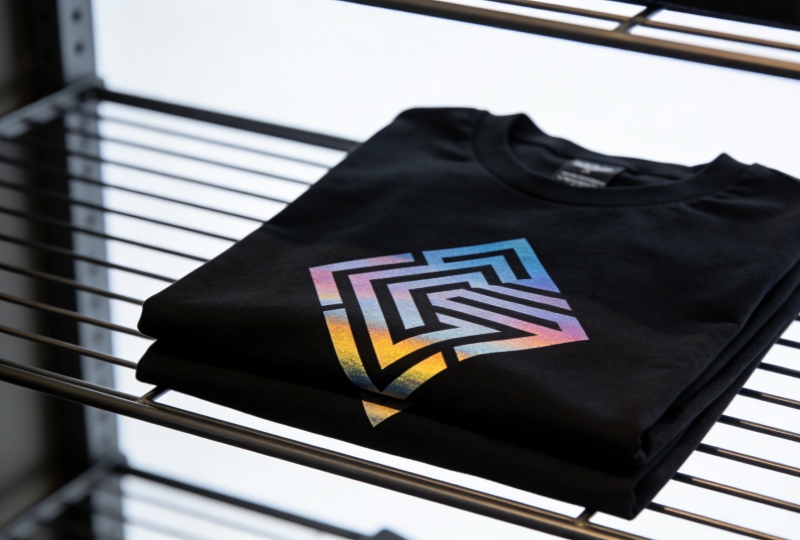
Q: How should I wash a shirt with a heat transfer? Turn it inside out and wash in cold or warm water. Do not use bleach or detergents with brighteners. Tumble dry on low or air-dry. If ironing is needed later, do not iron directly on the design; place parchment or cloth over it first. This will ensure your design stays vibrant for many washes.
-
Q: What is the difference between inkjet and laser transfer paper? Inkjet transfers use liquid inks, yielding very vibrant colors, but the coating on the paper can leave a matte finish and might feel a bit stiff on the garment. Laser transfer uses toner, which fuses into the paper’s coating; the result is usually thinner and softer to the touch. According to VisionSub, laser prints may look slightly lighter than inkjet but are faster to produce and very durable.
-
Q: Why should I choose GemmyLabel for my heat transfer needs? GemmyLabel is a leading global provider of labeling and printing materials, including high-performance heat transfer films and labels. Our products are engineered for quality: for example, our PTT70-W58EH heat-transfer label uses a 70 g/m² matte-coated paper and strong adhesive, delivering sharp prints and high durability. We offer fully customizable solutions (sizes, shapes, materials, and adhesives) to fit any project. From sourcing premium raw materials to final product quality inspections, GemmyLabel ensures industrial-grade output. In short, choosing GemmyLabel means top-quality materials, professional support, and the ability to tailor orders to your exact specifications.
Related Services: As part of GemmyLabel’s global offerings, we support custom heat transfer and sticker label solutions worldwide. Whether you need standard transfer sheets or fully custom printed transfers, GemmyLabel can accommodate. Our service includes on-demand printing, rapid prototyping, and dedicated technical assistance.
By following these guidelines and choosing the appropriate transfer paper, you can achieve professional-looking results. Heat transfer printing is a flexible DIY technique, and with the right materials — like those offered by GemmyLabel — your designs will adhere with vibrant, long-lasting color.
 English
  简体中文
简体中文