
How to Choose and Print Return Address Labels That Last
At GemmyLabel, we help customers pick the right return address label for every mailing need. Whether you need custom return address labels for a seasonal campaign, personalized return address labels for wedding invites, or weatherproof address labels for packages, the right material, adhesive, and printing setup makes the difference between a label that stays put and one that peels off in transit.
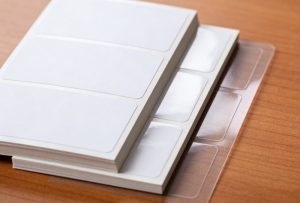
Why the right return address label matters
Return address labels are small, but they perform three jobs: they return undelivered mail to you, present a consistent brand image, and speed up packing. For small business address labels that ship daily, choosing a durable label reduces lost mail and gives a professional look. For personal mail, personalized return address labels save time and add polish. Think of the label as both a practical tool and a tiny brand touchpoint.
Material choices: paper vs. synthetic for durability
Label facestock determines how a label behaves under real conditions. For everyday envelopes, high-quality paper stock is economical and prints well. If you need weatherproof address labels that withstand rain, condensation, or warehouse handling, choose polyester or vinyl films. These synthetic stocks resist moisture, abrasion, and UV — ideal for outdoor shipments and long transit routes. If design matters, clear film labels offer a subtle, seamless look while still protecting the print.
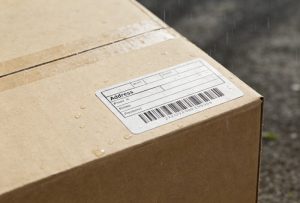
Two quick rules: use paper for indoor, light-use mail; use polyester or vinyl when moisture or rough handling is possible. This simple choice prevents most problems before printing starts.
Adhesive types: pick the right tack for the job
Adhesives range from low-tack removable to high-bond permanent. Removable return address labels are handy for temporary uses (gift tags, short-term organization). Still, they’re not recommended for regular postal mail: sorting equipment, humidity, and handling can cause low-tack labels to lift. For mail and parcel shipments, permanent adhesive is the safest choice—especially on cardboard or coated surfaces. If you need labels that survive cold, heat, or rough handling, confirm the adhesive is rated for those temperatures and surfaces.
Sizes, layout, and templates that save time
Standard return address sizes are compact but readable. Common dimensions hold 3–5 lines of text without crowding. When designing, use a return address label template that matches your sheet or roll size — to prevent misalignment and wasted sheets. If you’re offering downloadable options, consider free address label templates in multiple popular sizes so users can choose the one that matches their printer or pre-cut sheets.
Pro tip: Leave a small safe margin from the cut line and avoid tiny fonts. A clear layout reduces scannability errors and makes the label easier for postal carriers to read.
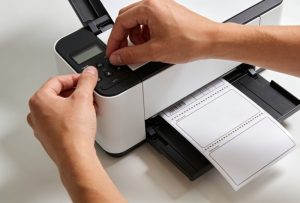
Printing: match stock to printer type
Not every label stock is suitable for every printer. Inkjet-printable address labels are formulated to absorb ink and dry quickly; they typically print well on inkjet printers. Laser-compatible labels are designed to withstand heat and toner, so using the wrong stock can warp the page or weaken the adhesive. Before large runs, print a test sheet to confirm alignment and ink behavior. Set media type to “labels” or “heavy paper,” scale to 100%, and use a single-sheet feed or a tray recommended by your printer manual to avoid jams.
If you print frequently, invest in a reliable label printer or a mid-range laser for high-volume, crisp shipping labels.
Design tips for readability and brand impact
Keep address information clear: use a legible sans-serif font at a readable size, and maintain high contrast between text and background. If you include a logo, place it to the left or above the address block so it doesn’t interfere with scanning. For custom return address labels on marketing mailers, use brand colors while ensuring postal scanners can still read the text. Avoid decorative fonts for critical address lines.
Quick comparison: common label options (technical summary)
| Material (finish) | Adhesive | Typical sizes (in) | Printer compatibility | Best use-cases |
|---|---|---|---|---|
| Paper (matte/gloss) | Permanent / Removable | 1″ × 2.63″, 0.5″ × 1.75″ | Inkjet (paper type) & Laser (paper type) | Every day envelopes, invitations, and economical |
| Polyester (weatherproof) | Permanent (high-bond) | 1″ × 2.63″, 2″ × 4″ | Laser & Inkjet compatible grades | Weatherproof address labels, outdoor shipments |
| Vinyl (gloss/opaque) | Permanent (strong) | Custom & roll sizes | Laser & Inkjet (special) | Heavy-duty parcels, UV exposure |
| Clear film | Permanent | 1″ × 2.63″, 2″ × 4″ | Laser & Inkjet (film grade) | Seamless look on colored surfaces |
Use this table when choosing which stock to buy or offer on your product pages—customers comparing inkjet-printable address labels to weatherproof options will appreciate a side-by-side comparison.
 English
  Chinese